The modern digital card room demands high flexibility, forcing developers to build robust software systems that perform seamlessly across distinct environments. Choosing how to engage with virtual table layouts involves examining your computing hardware and tracking your session routines. By carefully comparing fixed setups against portable applications, serious enthusiasts can discover an environment that matches their individual pacing and gameplay goals.
The Multi Table Advantage of Desktop Installations
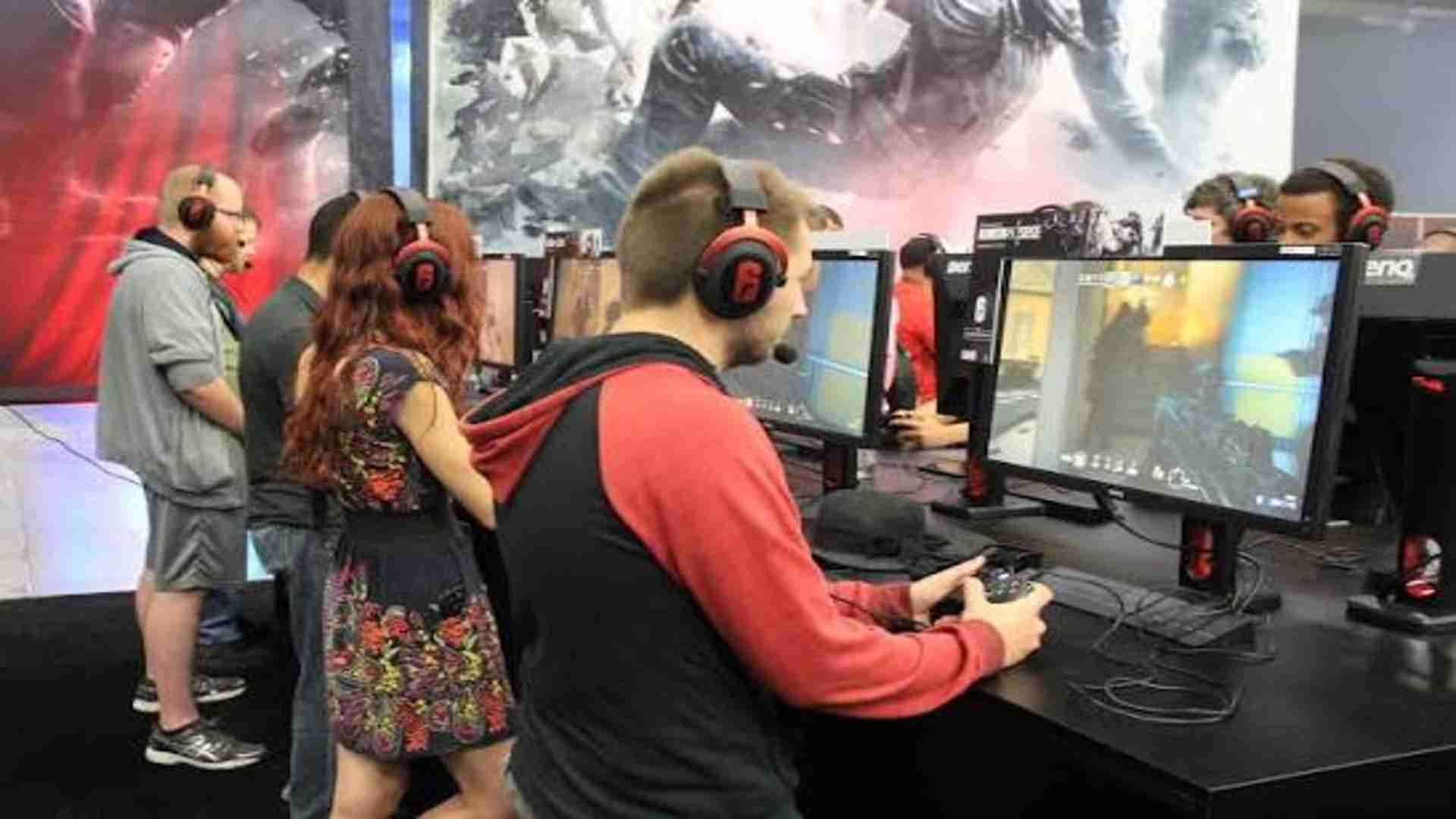
Dedicated computer installations remain the preferred environment for individuals who manage heavy data tracking and simultaneous table setups. Traditional software clients utilize your local processing power to handle real-time calculations, graphics updates, and extensive hand history tracking without unexpected systemic latency. This operational depth ensures that critical choices register immediately during busy tournament schedules.
Furthermore, desktop platforms offer expanded layout preferences and custom keyboard configurations that help reduce mental fatigue. Managing your screen space efficiently becomes much easier when you can tile multiple active windows side by side. For serious players, the stability of a direct computer framework is essential for protecting potential strategic outcomes.
Evaluating Mobility and Interface Changes on Mobile Setups
Portable devices have fundamentally reshaped how enthusiasts access table games, substituting traditional mouse navigation with dynamic touch controls. Modern smartphones and tablets rely heavily on responsive optimization to fit critical statistical variables into reduced display sizes safely. This shift requires development teams to prioritize clean visuals and streamlined layouts to prevent accidental input during intense rounds.
While touch-based interaction provides unmatched convenience for rapid sessions, it introduces distinct physical limitations that alter multi-tabling performance. Swiping between active games requires immediate interface response and automated notifications to keep you informed of your current betting turn. Players looking for an adaptive layout often explore flexible options like boss domino to evaluate how modern browser technologies adapt natively to various screen ratios.
Comparing Technical Stability and Network Requirements
A seamless connection is the baseline requirement for any digital gaming client, regardless of the underlying operating system. Desktop frameworks generally provide greater stability due to direct hardware connections, which insulate the software from sudden signal loss. Conversely, portable applications must constantly optimize their background code to handle shifting wireless networks smoothly.
When servers experience high traffic volumes, the performance differences between these separate builds become more apparent. Premium platforms implement smart data loops to keep player interactions synchronized without draining mobile battery reserves. Analyzing how a system handles these technical hurdles before committing resources helps ensure a dependable daily routine.
Final Practical Considerations for Cross Platform Players
Ultimately, selecting the ideal environment depends on your personal playstyle and how well a client integrates into your daily schedule. Many modern platforms now offer shared account configurations, allowing users to transition between a home computer and a mobile device without losing their historic data. This continuous synchronization ensures that your player profile, secure balances, and customized layouts remain uniform throughout every session.
By understanding the unique benefits and structural constraints of each setup, you can make an informed decision that elevates your comfort. Regular software maintenance and frequent client updates will continue to bridge the functional gap between handheld convenience and desktop processing power.