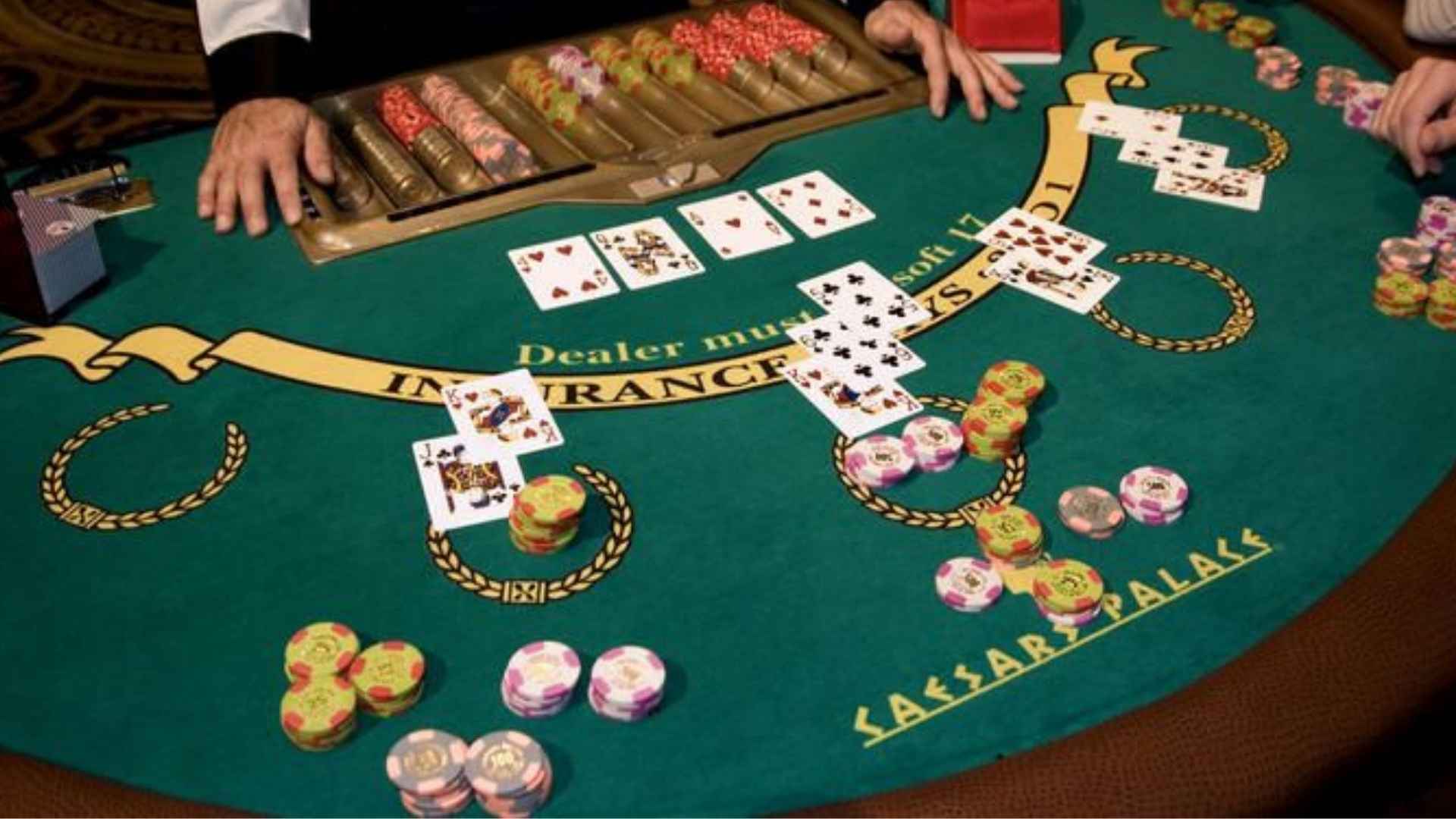
Baccarat is often viewed as an exclusive table game surrounded by mysterious jargon, but its core structure is surprisingly simple. Instead of playing against other participants, you are merely predicting which of two hands will perform better according to fixed arithmetic rules. Stripping away heavy casino terminology reveals an accessible contest with straightforward mechanics.
The Core Meaning of Player and Banker
In baccarat, the terms Player and Banker do not refer to you or the house. They are simply the designations assigned to two distinct two-card hands dealt on the table. Anyone sitting at the table can freely choose to place their wager on either side during any given round.
This unique setup means you never have to make tactical decisions after placing your initial bet. The dealer manages all card movements according to set guidelines, eliminating any personal pressure during active play. Understanding this separation helps beginners view the game as a clear prediction exercise rather than a complex mental duel.
How Card Point Values Function
Scoring in baccarat relies on a straightforward calculation system where point values never exceed single digits. Picture cards and tens are worth zero points, aces count as one point, and numbered cards from two through nine keep their face values. Adding the total points together provides the preliminary score for each side.
Whenever a hand total reaches ten or higher, the tens digit is dropped to create the final score. For instance, a hand consisting of a seven and an eight equals fifteen, which simply becomes a score of five. The target score for either side is nine, making higher totals instantly victorious without additional dealing.
How Additional Card Rules Work
Most hands finish immediately after the initial two-card deal if either side hits an eight or nine, known as a natural. When lower scores occur, automatic guidelines determine whether a third card is dealt to complete the hand. The Player hand acts first, taking another card if its initial score ranges between zero and five.
The Banker hand follows a slightly more detailed set of rules that depends on its own score and the third card taken by the Player. Players can explore dynamic table setups via m88 link alternatif to observe these automated dealing sequences in real time. Because the dealer follows strict instructions, participants never need to memorize these drawing tables to enjoy the action.
Key Differences Between the Wagers
While the mathematical rules for drawing cards favor the Banker side slightly, both options provide steady opportunities for participants. The Banker wager carries a tiny structural edge because it acts second during drawing phases. To account for this small advantage, standard tables usually apply a five percent fee to winning Banker returns.
The Player position offers a direct payout without any commission deductions attached to wins. Choosing between these primary options often comes down to personal style and bankroll pacing. By focusing on these clear differences, newcomers can navigate baccarat tables with complete confidence and clarity.