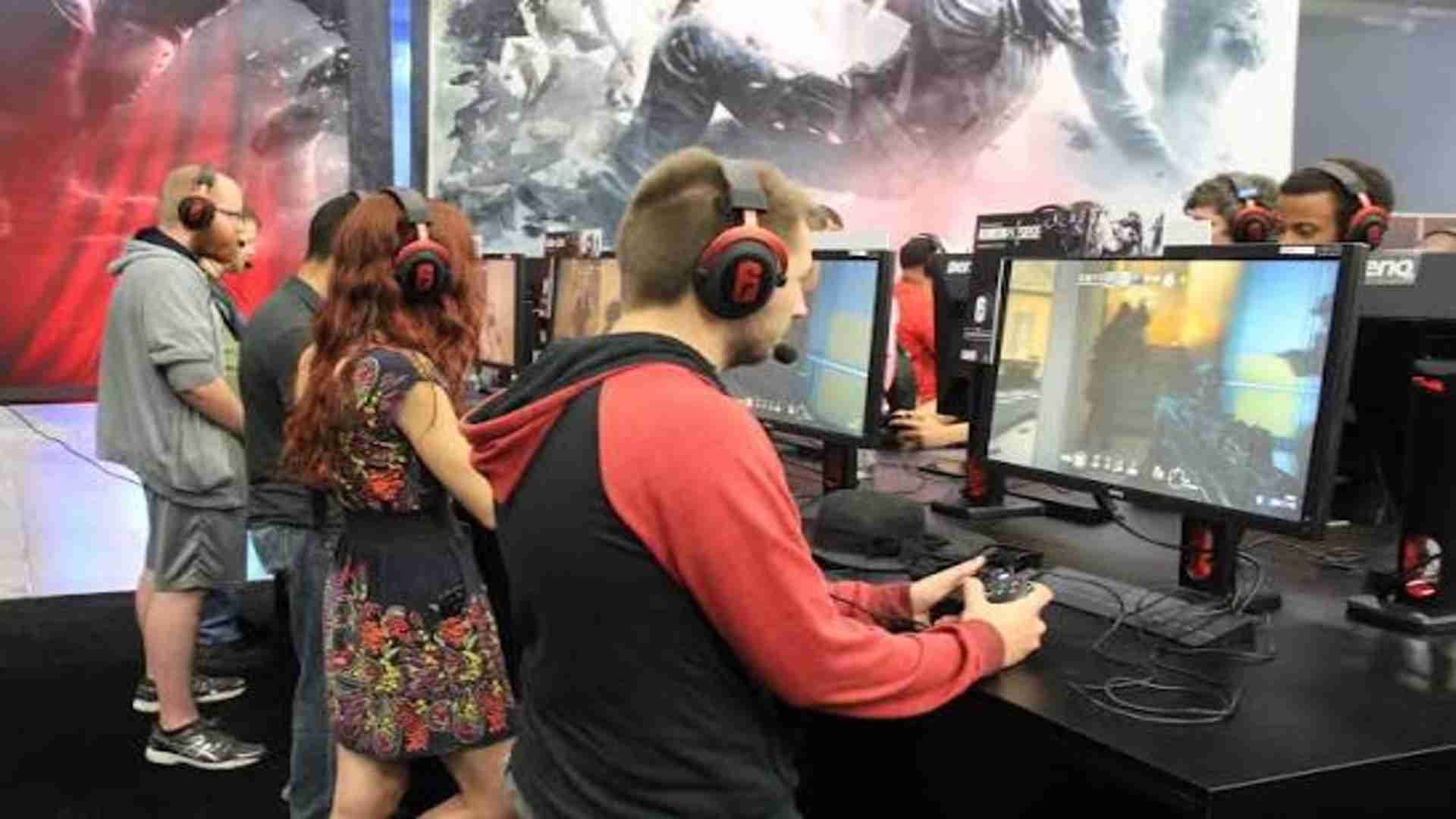
Making everyday choices usually feels automatic, yet the presence of an audience can instantly alter your thought process. Whether performing a routine work task or playing a casual strategy game, being watched shifts focus from execution to self-evaluation. Understanding how observers impact human judgment helps individuals regain control over their choices under pressure.
The Psychological Mechanism of the Audience Effect
When people realize they are being observed, their cognitive workload increases significantly due to social evaluation. Instinctive actions that normally require minimal thought suddenly demand deliberate attention and conscious monitoring. This sudden shift often leads to hesitation, overthinking, and unexpected mistakes during simple routines.
Psychologists refer to this phenomenon as social facilitation or social inhibition depending on the complexity of the task. Well-rehearsed habits may see a slight boost, but decisions involving risk or analysis often suffer under observation. The constant awareness of external judgment shifts human focus from optimal strategy to self-preservation.
How Public Scrutiny Alters Strategic Risk Assessment
In competitive environments, having onlookers changes how individuals calculate risk and potential reward. Players and professionals alike tend to choose safer, more conventional options to avoid visible failure in front of others. Consequently, creative solutions and bold strategies are often discarded in favor of risk-averse choices.
For those participating in online gaming or digital platforms, finding a stable environment like an m88 link alternatif allows players to focus purely on tactical execution. Minimizing unnecessary social distractions helps maintain strategic clarity during high-stakes moments. Reducing external pressure ensures that decisions are guided by logic rather than the fear of public judgment.
Overcoming Second-Guessing Under Observation
To combat the negative effects of spectator pressure, individuals must train themselves to maintain internal focus. Building strong foundational habits allows routine actions to remain automatic even when eyes are on you. Focusing entirely on the immediate process rather than the final outcome minimizes self-conscious thoughts.
Developing situational mindfulness also plays a vital role in preserving decision quality under scrutiny. Acknowledging the presence of an audience without assigning emotional weight to their opinions keeps cognitive channels clear. Over time, consistent exposure to observed settings transforms social pressure into a familiar and manageable factor.
Reframing the Observer's Role for Better Focus
Instead of viewing spectators as critical judges, successful performers reframe them as neutral or supportive elements. Shifting this mental narrative reduces the internal stress response and restores natural decision-making speed. Recognizing that observers are rarely as hyper-focused on your mistakes as you assume provides instant mental relief.
Ultimately, mastering performance in front of others requires intentional practice and emotional discipline. By controlling internal focus and trusting established skills, you can make clear decisions regardless of who is watching. Achieving this psychological balance turns potential distractions into opportunities for consistent, reliable execution.