While the terms betting and gambling are frequently used interchangeably in everyday conversation, they represent distinct concepts within the gaming and financial worlds. Both activities involve staking value on an uncertain outcome, but the underlying mechanisms, skill requirements, and decision-making processes vary significantly. Understanding these subtle differences helps individuals navigate entertainment options with greater awareness and responsible habits.
Defining Gambling and Its Core Mechanics
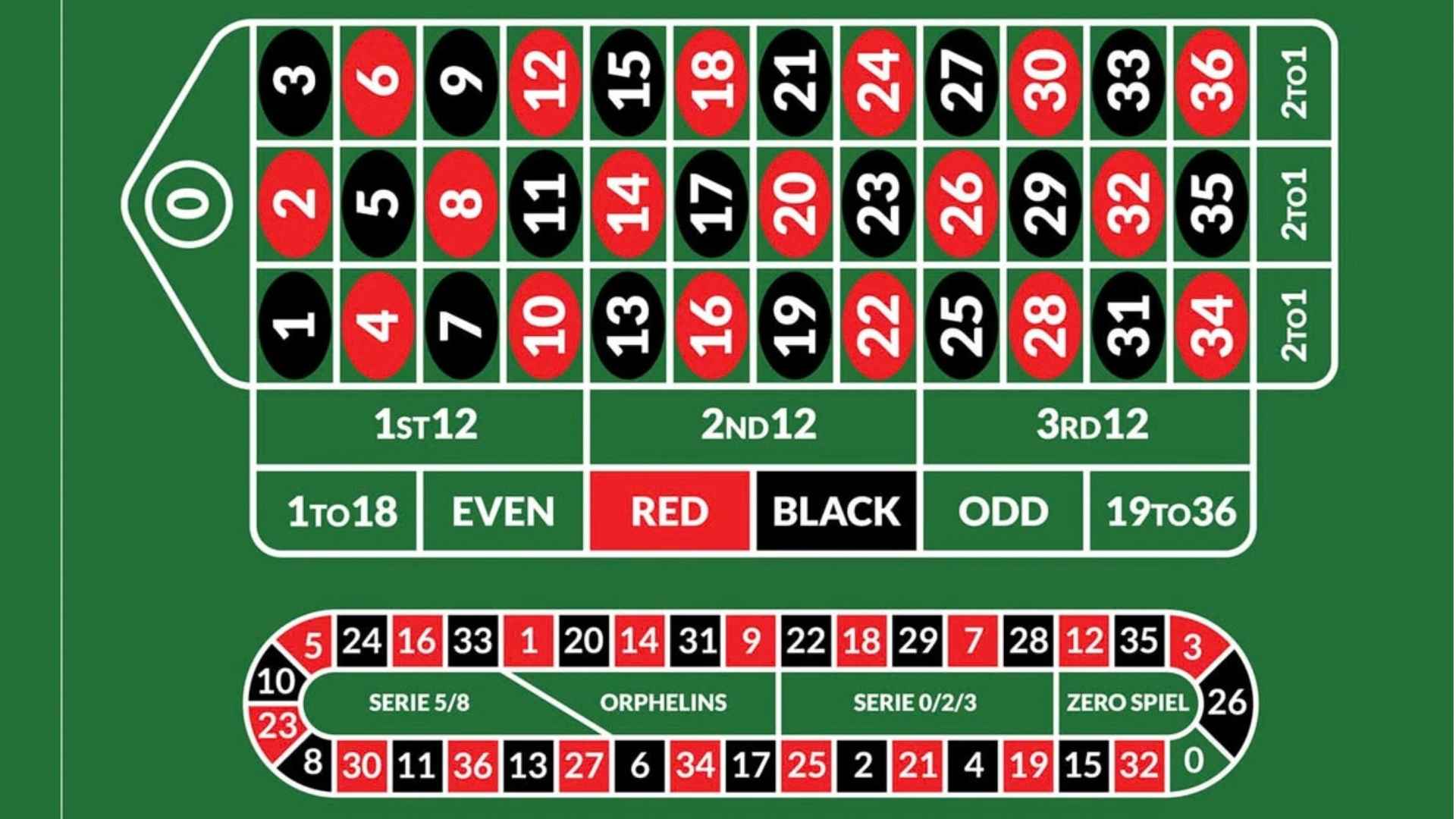
Gambling fundamentally relies on chance, where outcomes are determined primarily by random events rather than human skill or strategy. Classic examples include slot machines, roulette wheels, and lottery draws where players have no influence over the final result. The primary draw of gambling lies in the unpredictability and excitement of pure luck.
Because the house edge is mathematically built into traditional games of chance, long-term success is statistically unfeasible for players. While short-term wins occur, the systemic design ensures the operator retains a consistent advantage over time. Recognizing this balance allows participants to treat gambling purely as recreational entertainment rather than a reliable financial pursuit.
Understanding Betting as a Skill-Based Strategy
Betting generally refers to placing a wager on the outcome of an event based on analysis, research, and historical data. Common in sports, horse racing, and competitive events, betting allows participants to assess probabilities before committing funds. Experienced bettors evaluate team statistics, weather conditions, and player performance to identify favorable opportunities.
Unlike pure games of chance, sports wagering gives analytical individuals room to apply research to improve their overall decision-making. Many sports enthusiasts study odds on platforms like m88 APK to evaluate market options and compare potential risk against expected returns. However, even with rigorous statistical analysis, external variables ensure that risk remains an inherent part of every wager.
Key Differences in Risk Assessment and Control
The element of perceived control serves as the primary dividing line between betting and gambling. In standard gambling, participants accept complete randomness without any ability to alter the odds or predict outcomes through study. In contrast, betting offers a framework where research can directly inform the choice being made.
Another major difference lies in the availability of information prior to placing a stake. In sports betting, public data regarding team injuries, historical matchups, and expert insights are widely accessible for review. In games of pure chance, past results hold zero influence over future draws, rendering past statistical patterns irrelevant.
Promoting Responsible Habits Across All Wagering
Regardless of whether an activity is classified as betting or gambling, maintaining strict financial boundaries is essential. Setting dedicated budgets and time limits ensures that recreational gaming remains enjoyable without creating unnecessary personal strain. Treating spent funds as the price of entertainment helps keep expectations grounded and healthy.
Ultimately, recognizing the operational differences between chance-based gambling and analytical betting fosters safer engagement. Staying informed about how odds work empowers individuals to make conscious choices suited to their personal preferences. Discipline and self-awareness remain the most crucial tools for anyone participating in real-money gaming.