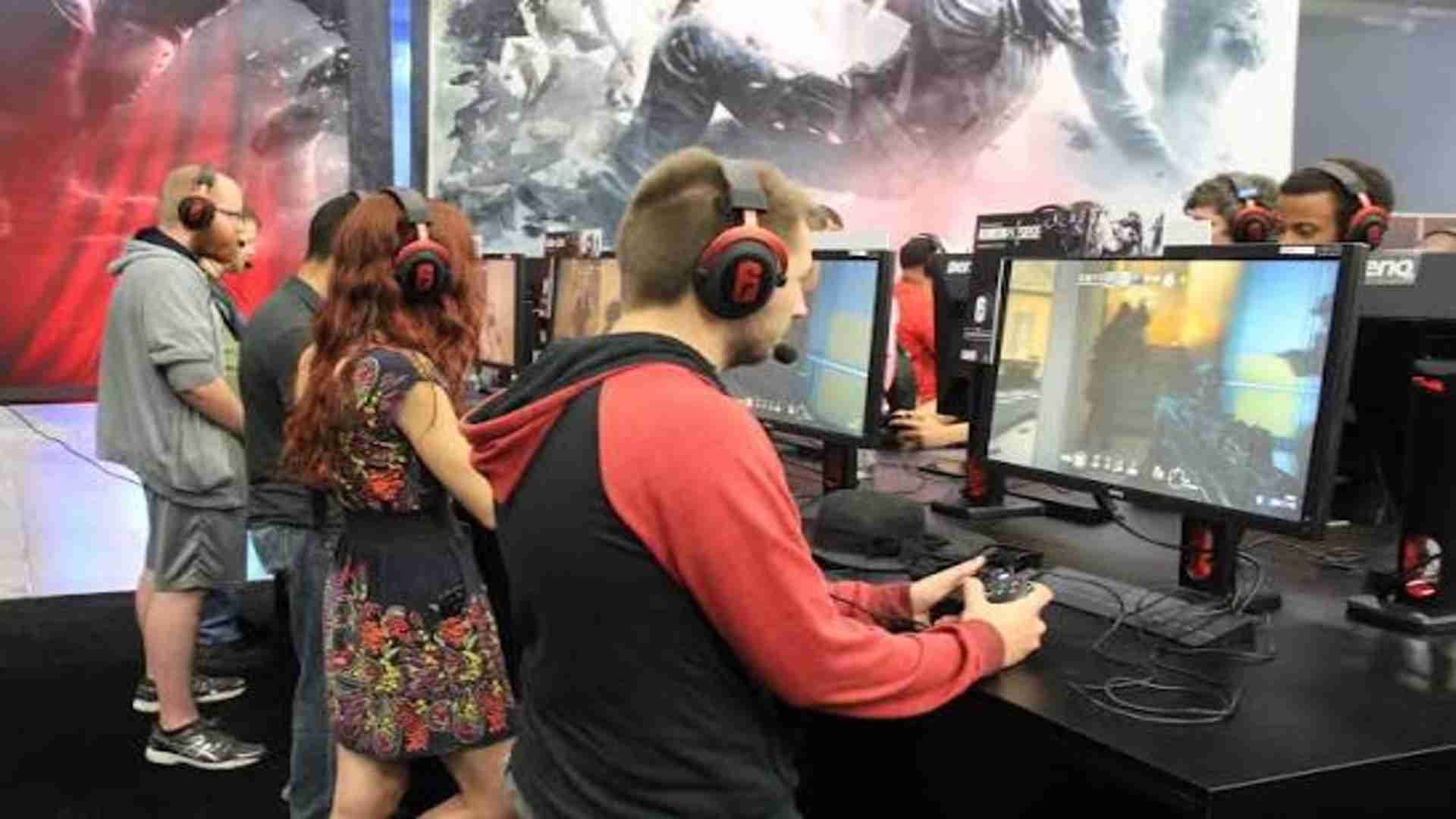
The modern digital landscape has witnessed a remarkable shift in how cooperative gaming environments manage player connections. Modern titles no longer rely on rigid, automated queuing systems that ignore the behavioral nuances of their active communities. Instead, the implementation of dynamic systems allows participants to collaborate more effectively, paving the way for consistent victory and sustained user engagement.
The Evolution of Dynamic Matchmaking Engines
Traditional online lobbies often struggled with severe skill disparities that disrupted the flow of competitive play. Modern multiplayer platforms resolve this issue by utilizing advanced behavioral data to evaluate communication patterns alongside standard performance metrics. This comprehensive strategy ensures that every individual finds a balanced environment tailored to their precise strategic capabilities.
When player expectations align smoothly within a digital arena, the overall quality of social interaction improves significantly. Gamers are much more likely to develop long-term digital relationships when their initial pairings feel balanced and intentional. As a result, developers are dedicating extensive resources to refining the underlying mathematical logic that governs these synchronous connections.
Enhancing Social Integration and Team Stability
Achieving collective milestones requires a high degree of mutual trust and seamless coordination among all participants. Interactive matchmaking frameworks prioritize these social connections by evaluating how well different communication styles complement one another during intense conflicts. This modern approach transforms isolated gaming sessions into deeply integrated cooperative realities.
To explore diverse platforms that leverage these advanced structural systems, you can visit M88 for various engaging online options. Accessing these innovative hubs connects you to modern environments built specifically to optimize player collaboration across different formats. Establishing strong communication baselines ultimately prepares community members for high-stakes competitive challenges.
Balancing Equity and Engagement Loops
Ensuring an even playing field remains the ultimate challenge for creators attempting to build sustainable online ecosystems. Dynamic matchmaking algorithms continuously monitor live variables to adapt difficulty levels and team configurations in real time. This ongoing calibration prevents active participants from experiencing sudden burnout or unnecessary frustration.
Furthermore, well-designed feedback loops provide immediate recognition for positive cooperative behaviors rather than just tracking individual elimination tallies. Rewarding helpful strategy encourages a healthier community environment where toxic behaviors are naturally minimized. This deliberate design focus ensures that virtual worlds remain welcoming spaces for both casual fans and dedicated experts.
The Future of Connected Virtual Worlds
As network infrastructure continues to expand globally, the potential for cross-platform integration will reach unprecedented levels. Upcoming developments will likely incorporate predictive analytics to anticipate player preferences before they even enter a competitive lobby. This proactive method will further streamline the transition from individual navigation to shared digital triumphs.
Ultimately, the success of modern interactive entertainment relies heavily on how effectively systems can unite diverse global audiences. By prioritizing mutual compatibility and fair competition, developers are successfully building spaces that withstand the test of time. The ongoing evolution of online matchmaking guarantees that the thrill of shared victory will continue to captivate millions worldwide.