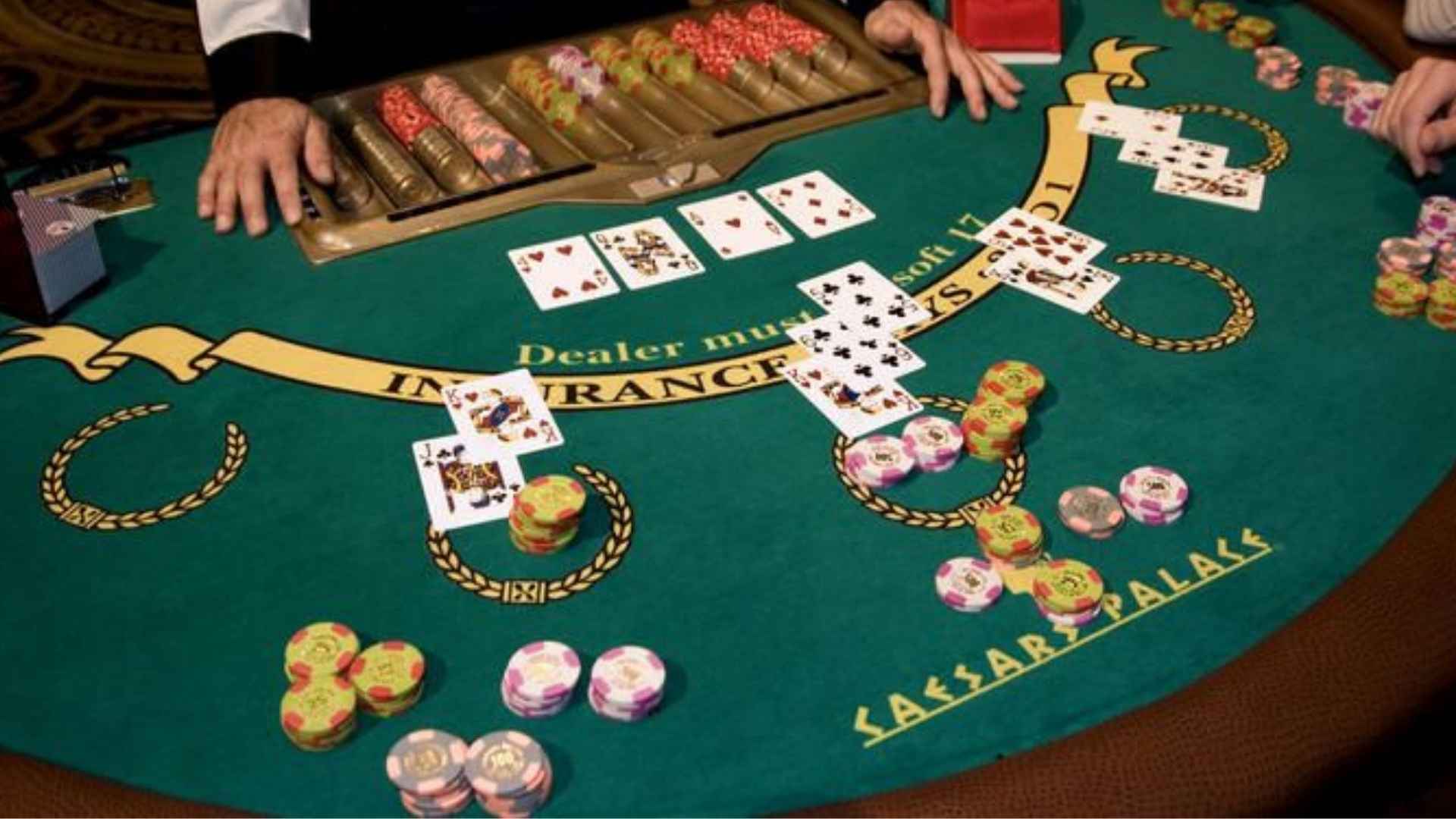
Mastering Texas Hold'em requires a clear understanding of how action rotates around the table during each round of play. Knowing the proper betting sequence ensures smooth gameplay and helps players formulate effective strategies based on their position. Whether you are playing at a home table or an online venue, structured betting rounds dictate how the game unfolds from start to finish.
The Pre-Flop Action and Forced Bets
Every hand of Texas Hold'em begins with mandatory forced bets known as the small blind and big blind. These posted bets create an immediate pot for players to contest before any hole cards are dealt. The position directly to the left of the big blind, known as Under the Gun, acts first pre-flop by choosing to fold, call, or raise.
Action then continues clockwise around the table until every remaining participant has contributed an equal amount to the pot. The player in the big blind gets the final opportunity to act pre-flop, provided no other player has raised the bet. Recognizing this pre-flop rotation is essential for building a disciplined initial range of starting hands.
Post-Flop Rotation and the Dealer Button
Once the dealer reveals the first three community cards, known as the flop, the betting sequence undergoes a significant structural shift. Unlike the pre-flop round, the post-flop action always begins with the active player nearest to the left of the dealer button. This means the small blind or big blind acts first during all subsequent rounds of betting.
Acting early in post-flop rounds puts players at an informational disadvantage because they must declare their intentions before their opponents. Conversely, holding position near or on the dealer button allows players to observe how others react before committing chips. Many players practice their positional strategy on modern gaming sites such as m88 mới nhất hôm nay to better understand table dynamics.
Navigating the Turn and River Rounds
The turn brings a fourth community card to the table, triggering a third round of betting that follows the exact same sequence as the flop. Players evaluate their expanding board textures and choose whether to check, bet, call, raise, or fold. Action continues clockwise, starting from the active player positioned closest to the dealer's left side.
The river introduces the fifth and final community card, setting up the decisive final betting round before any potential showdown. Because the stakes and pot size are usually higher at this stage, adhering strictly to the correct order prevents out-of-turn actions that could compromise hand fairness. Once all bets are matched on the river, remaining players show their hands to determine the winner.
Strategic Advantages of Table Position
Understanding the order of action allows players to leverage table position to maximize profits and minimize losses. Late position players consistently enjoy superior decision-making power because they possess complete information regarding previous checks or bets. Late position permits more aggressive play, including opportunistic bluffs and value bets.
By contrast, early position requires a more cautious approach, as players must anticipate potential raises behind them. Consistently monitoring the movement of the dealer button helps players adjust their strategic aggressiveness as their position changes each hand. Developing a keen awareness of sequence and position remains one of the foundational steps toward long-term poker success.